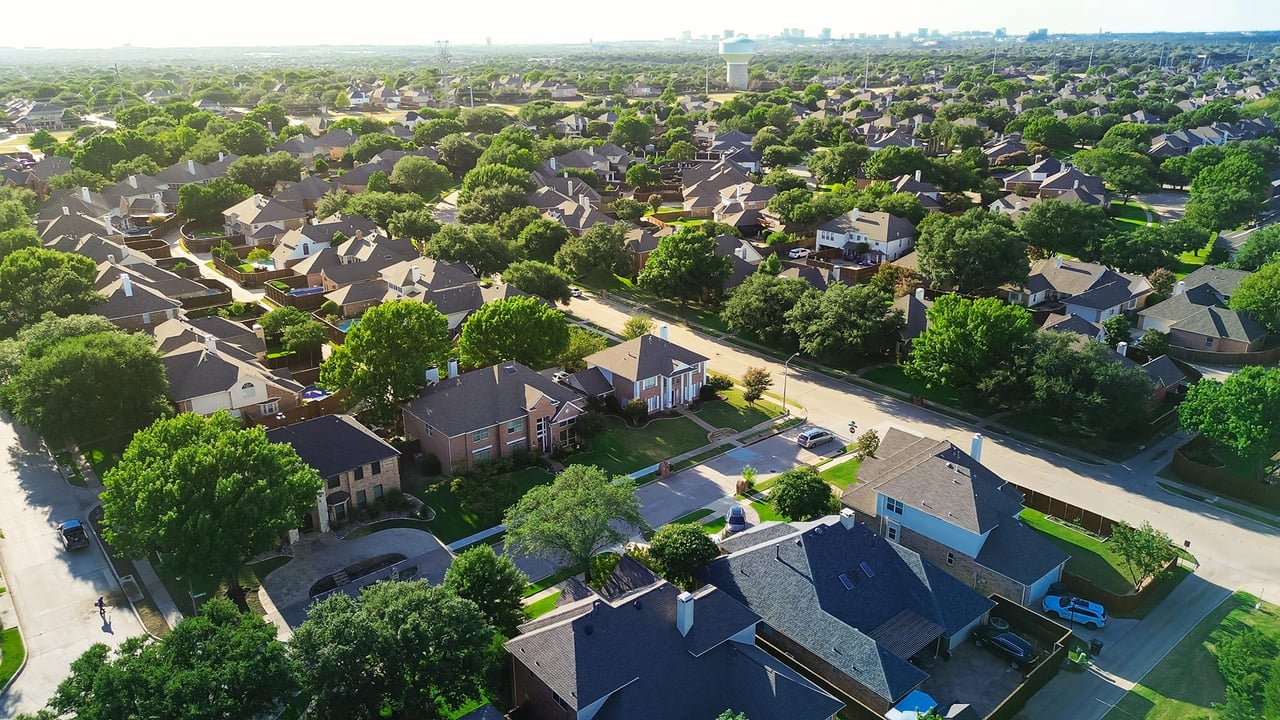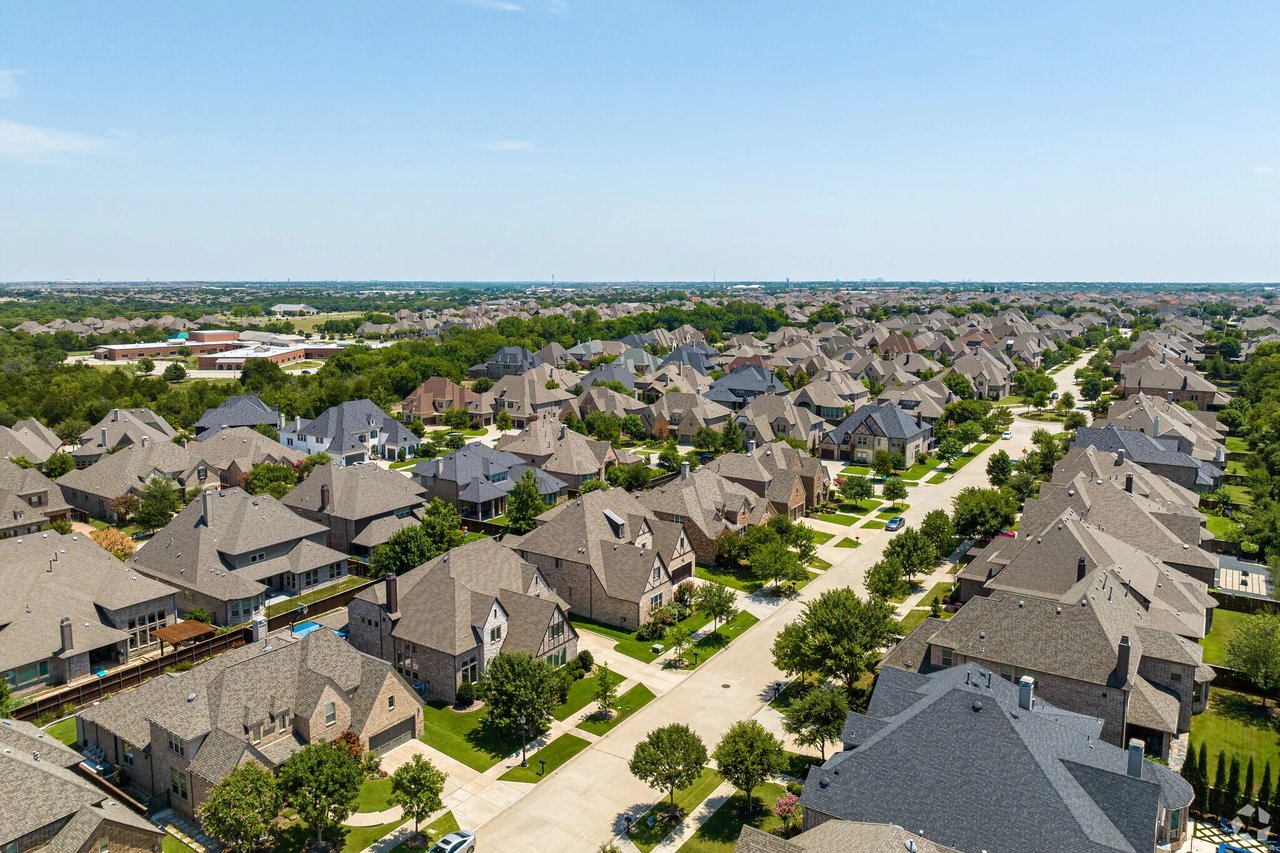
North Texas continues to gain national attention for its growth, and this time, two Collin County cities are leading the country in real estate. WalletHub's 2026 ranking of 300 U.S. cities named Frisco the No. 1 real estate market in the nation, with McKinney following closely at No. 2.
For those of us who live and work in North Texas, the recognition highlights the remarkable growth we've watched unfold across the area. New neighborhoods, expanding businesses, employment opportunities and continued development have helped transform Collin County, and the numbers behind the rankings offer an interesting look at what's setting our local market apart.
What Put Frisco at No. 1?
WalletHub compared 300 cities using 17 metrics across two primary categories: real estate market conditions and affordability and economic environment.
One factor working in Frisco's favor was its relatively new housing inventory. According to WalletHub's study, nearly 47% of homes in Frisco were built between 2010 and 2024, giving the city a significant amount of newer housing stock.
Frisco also ranked 95th for home prices as a percentage of income among the 300 cities evaluated. When it came to some of the ongoing expenses associated with living in a home, the city ranked 11th for maintenance and energy costs.
Employment growth was another strength. WalletHub ranked Frisco seventh for job growth, an important economic factor considered as part of the overall study.
McKinney Takes the No. 2 Spot
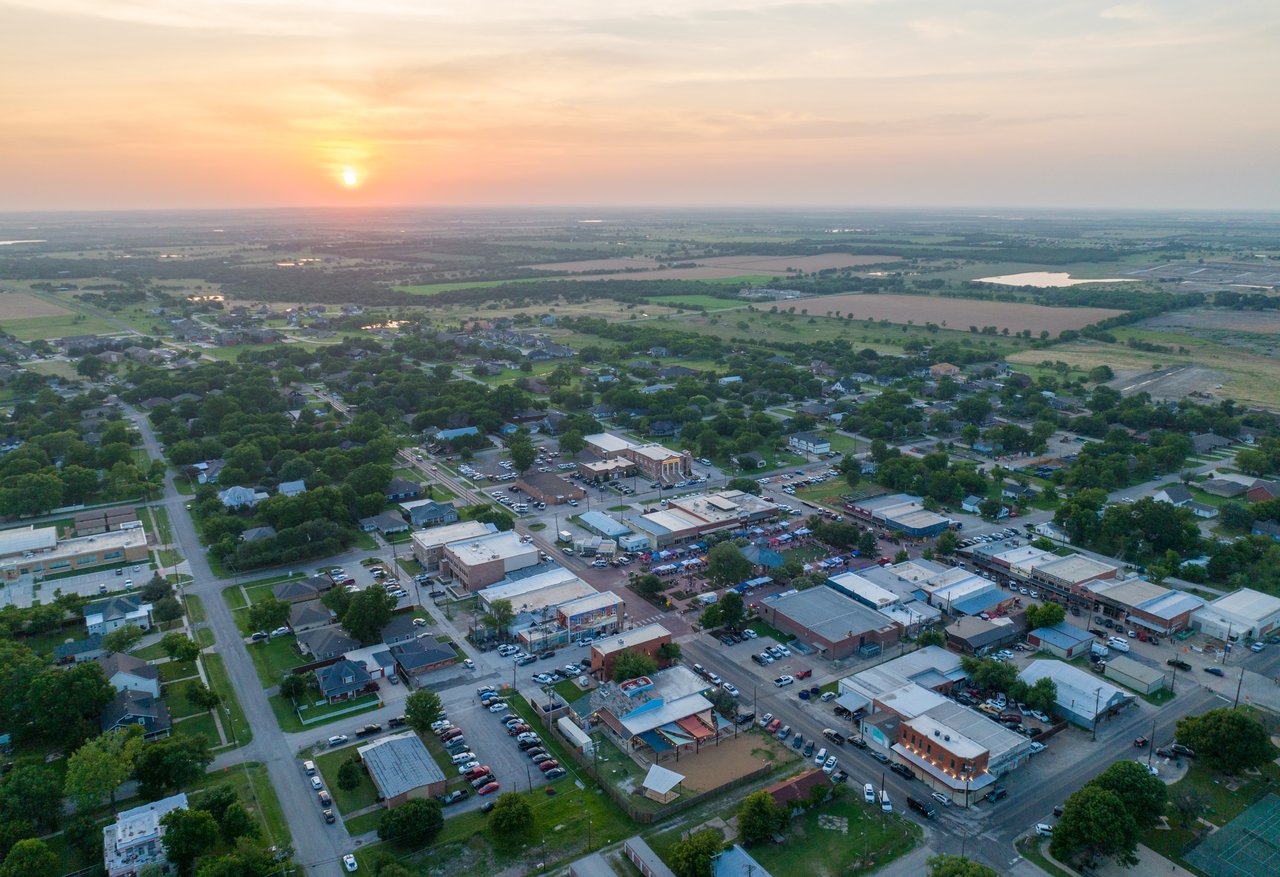
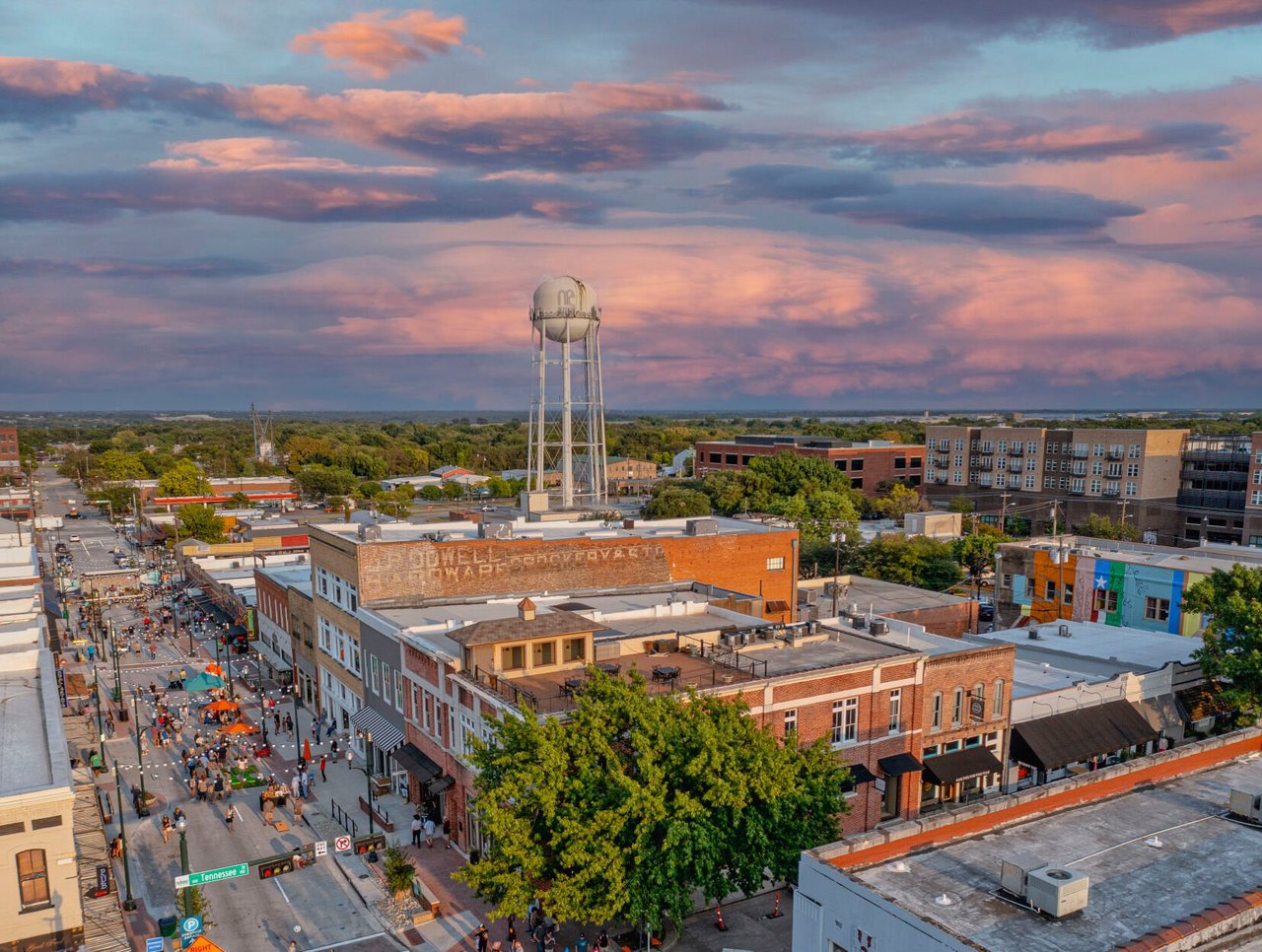
Just down the road, McKinney earned the second-highest overall ranking in the country.
Approximately 40% of McKinney's housing stock was built between 2010 and 2024, according to the study. McKinney also ranked 10th for building permits per capita, an indication that residential construction remains active as the city continues to expand.
WalletHub reported that McKinney's median home price was approximately 380% of median income, placing the city 73rd among the 300 cities for that affordability metric.
McKinney's employment numbers were also notable. The city ranked sixth for job growth, with WalletHub reporting an annual job growth rate of more than 17%.
North Texas Makes a Strong Showing
Frisco and McKinney weren't the only North Texas communities to land near the top.
Denton ranked No. 5 nationally, while Allen also earned a spot in WalletHub's top 10. With several nearby cities appearing among the country's highest-ranked real estate markets, the results highlight the continued economic and residential growth happening throughout this part of Texas.
Collin County's Population Continues to Climb
The real estate rankings come as Collin County experiences significant population growth of its own.
According to the U.S. Census Bureau's latest estimates, Collin County's population reached 1,297,179 residents as of July 1, 2025. That's up from 1,254,213 residents in July 2024, meaning the county added 42,966 people in just one year.
That increase ranked Collin County second in the entire country for numeric population growth among U.S. counties from July 2024 to July 2025, behind only Harris County, Texas.
The growth becomes even more striking when looking back a few years. The Census Bureau's 2020 estimates base for Collin County was 1,066,201 residents. By July 2025, the estimated population had grown by approximately 21.7%.
And additional growth is projected in the decades ahead. Collin County's FY 2026 Adopted Budget states that the county is projected to grow to more than 2.2 million residents by 2060. Because population forecasts depend on future migration, development and other factors, that figure should be viewed as a long-term projection rather than a certainty.
What Could This Mean for Local Homeowners?
National rankings don't determine what an individual home is worth, but the factors behind these rankings are worth paying attention to.
Population growth, job creation, new construction and continued investment throughout an area can all influence the local housing market. At the same time, a home's value is ultimately affected by much more specific factors, including its location, condition, upgrades, neighborhood, school district, nearby inventory and recent comparable sales.
For homeowners in Frisco, McKinney and surrounding North Texas communities, the bigger takeaway isn't simply that our cities earned impressive rankings. It's that our area continues to change, and understanding how those changes are affecting your particular neighborhood is increasingly important.
What About Buyers?
A No. 1 or No. 2 national ranking doesn't necessarily mean buyers have missed their opportunity to purchase in these communities.
North Texas continues to offer a wide range of housing options, from established neighborhoods to new construction communities. Market conditions can also look very different depending on the city, neighborhood and price point you're considering.
Some buyers may prioritize a newer home and community amenities, while others may find that an established neighborhood offers the location, lot size or character they're looking for. Rather than making a decision based solely on headlines about the broader market, buyers can benefit from looking closely at inventory, recent sales and current conditions in the specific areas they're considering.
A Market Worth Watching
Having Frisco and McKinney take the top two spots in WalletHub's 2026 ranking is exciting for North Texas, but the story goes beyond a national list.
Collin County added nearly 43,000 residents in a single year, local cities continue to see strong job growth, and residential development is still expanding to accommodate a growing population. Together, those numbers offer a clearer picture of why North Texas continues to attract so much attention.
At the Lonestar Living Team, we know that national statistics only tell part of the story. Real estate is local, and what matters most is what's happening in your neighborhood and how it relates to your goals. If you're considering buying, selling or simply wondering what your home may be worth in today's market, our team would be happy to help you take a closer look at the numbers that matter to you.