After a long stretch of summer heat, fall is a welcome time to get back outside and give your yard some attention. Cooler days make it easier to tackle projects that may have been put off during the hottest months, while the changing season creates new opportunities for planting and preparing your landscaping for what comes next. From refreshing tired garden beds to adding cool-season color and getting ahead of colder weather, here are a few things to add to your North Texas fall gardening checklist.
Refresh Your Garden Beds
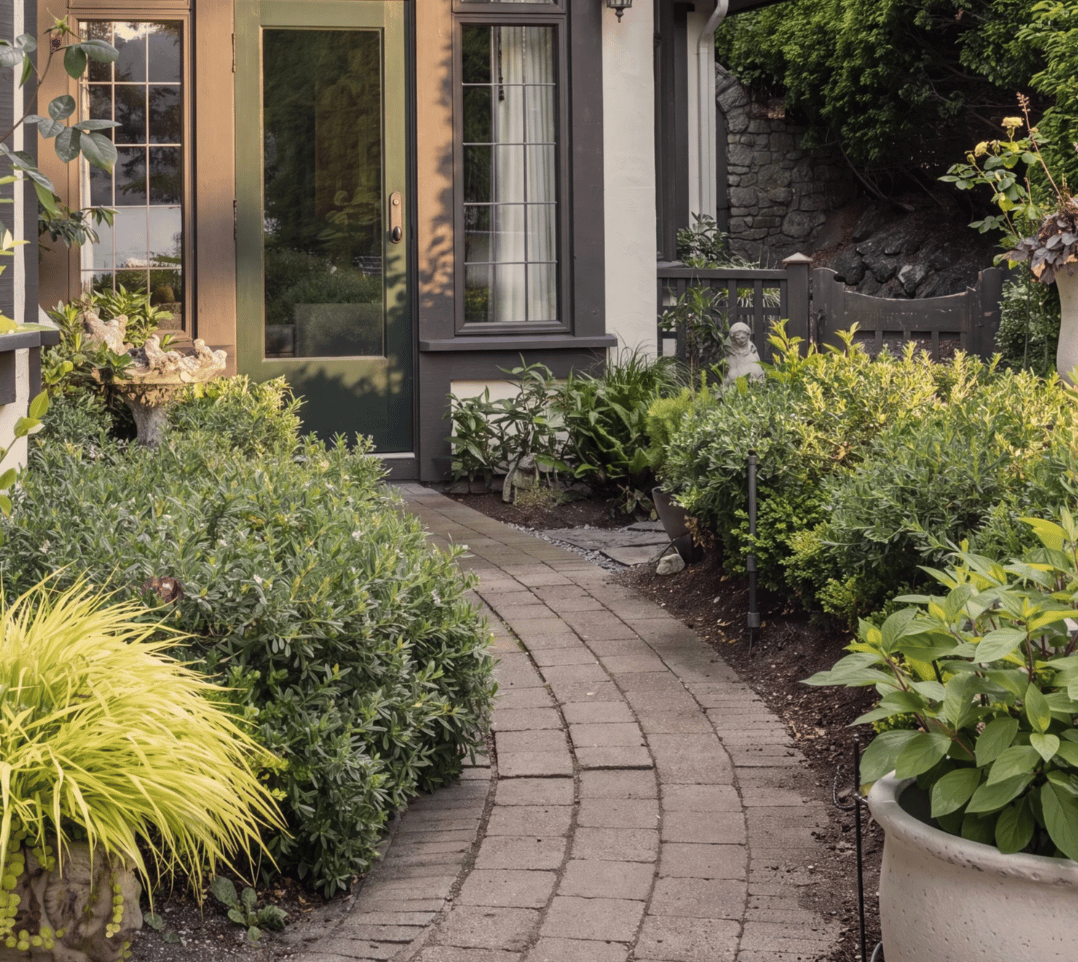
Months of heat can leave flower beds looking a little tired by the time fall arrives. Start by removing spent annuals, weeds, fallen leaves and plants that didn't make it through the summer.
Once everything is cleaned up, add a fresh layer of mulch where needed. Mulch can help retain moisture, protect plant roots as temperatures change and give landscaping beds a clean, finished appearance.
This is also a good opportunity to take a closer look at your beds and decide where you'd like to add new plants, fill empty spaces or make changes before next spring.
Add Cool-Season Color
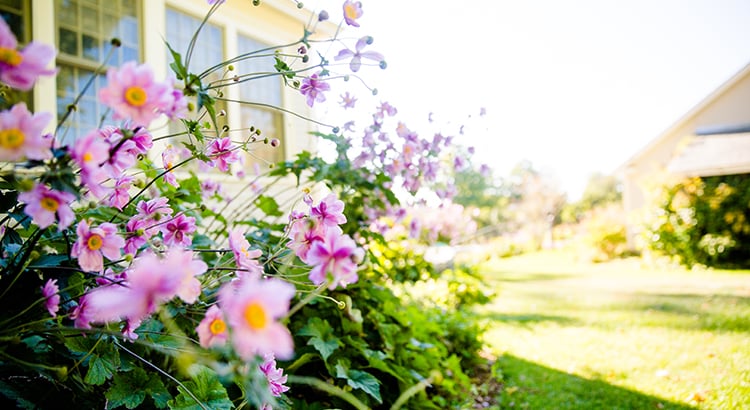
Summer flowers may be fading, but your landscaping doesn't have to lose its color.
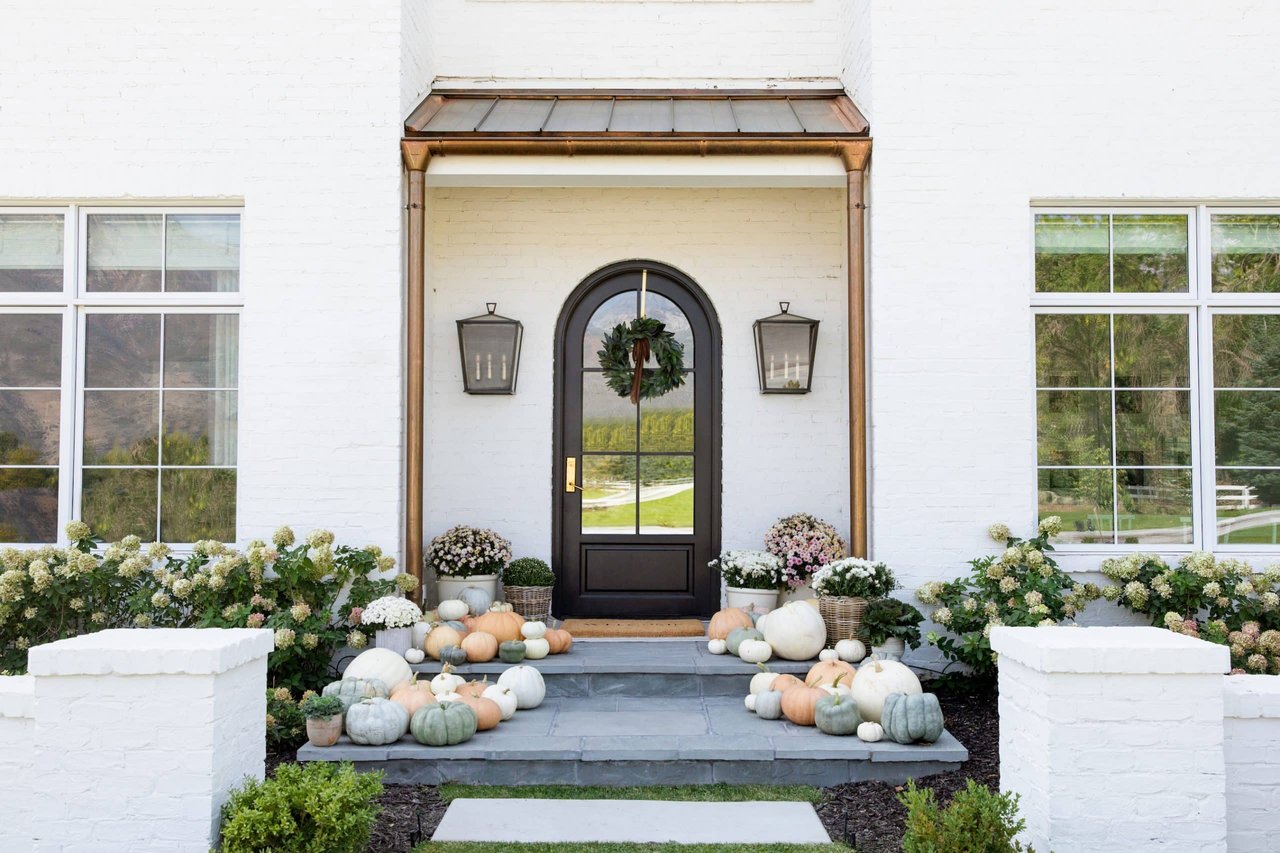
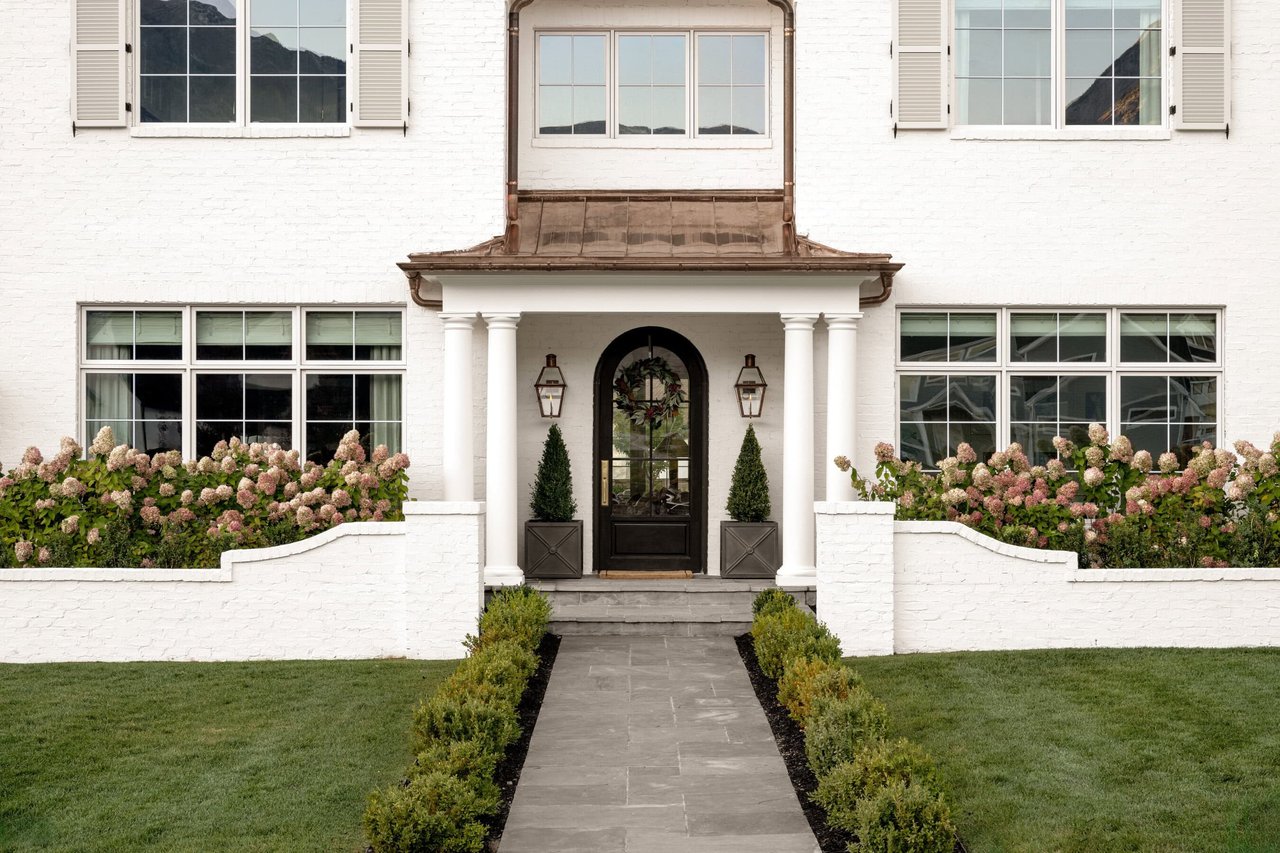
Pansies and violas are popular choices for North Texas during the cooler months, and seasonal flowers can be used throughout garden beds, containers and around entryways to give your landscaping a fresh look.
Before planting, pay attention to how much sunlight different areas of your yard receive and choose varieties suited to those conditions.
Plant Cool-Season Vegetables
If you enjoy growing your own vegetables, there's still plenty to plant after summer.
Cooler temperatures create opportunities for crops such as lettuce, spinach, kale, carrots, radishes and broccoli. Because planting windows vary by crop, check the recommended timing for your specific North Texas area before getting started.
A little planning can keep your garden productive well beyond the traditional summer growing season.
Give Trees and Shrubs Some Attention
Thinking about adding a tree or shrub to your landscaping? Fall can be a great time to do it.
Cooler air temperatures can reduce some of the stress associated with planting during a North Texas summer, while warmer soil can give roots time to begin establishing.
Newly planted trees and shrubs still require consistent watering, particularly during dry stretches. Choose varieties suited to our local climate and consider the plant's mature size, sunlight requirements and available space before deciding where it should go.
Take Care of Your Lawn
As warm-season grasses begin slowing down for the year, your lawn still needs some attention.
Continue mowing as necessary, and don't allow a heavy layer of fallen leaves to sit on the grass for long periods. Keeping the lawn clear allows it to receive sunlight and prevents leaves from trapping excess moisture.
Fall is also a good time to notice areas that struggled through summer so you can make a plan for addressing them when active growth returns.
Adjust Your Irrigation
The watering schedule that worked during July and August may not be appropriate once temperatures begin to cool.
Take a look at your irrigation settings and adjust them based on rainfall, temperatures and the needs of your landscaping. While plants generally require less water during cooler weather, North Texas can still experience extended dry periods during fall and winter.
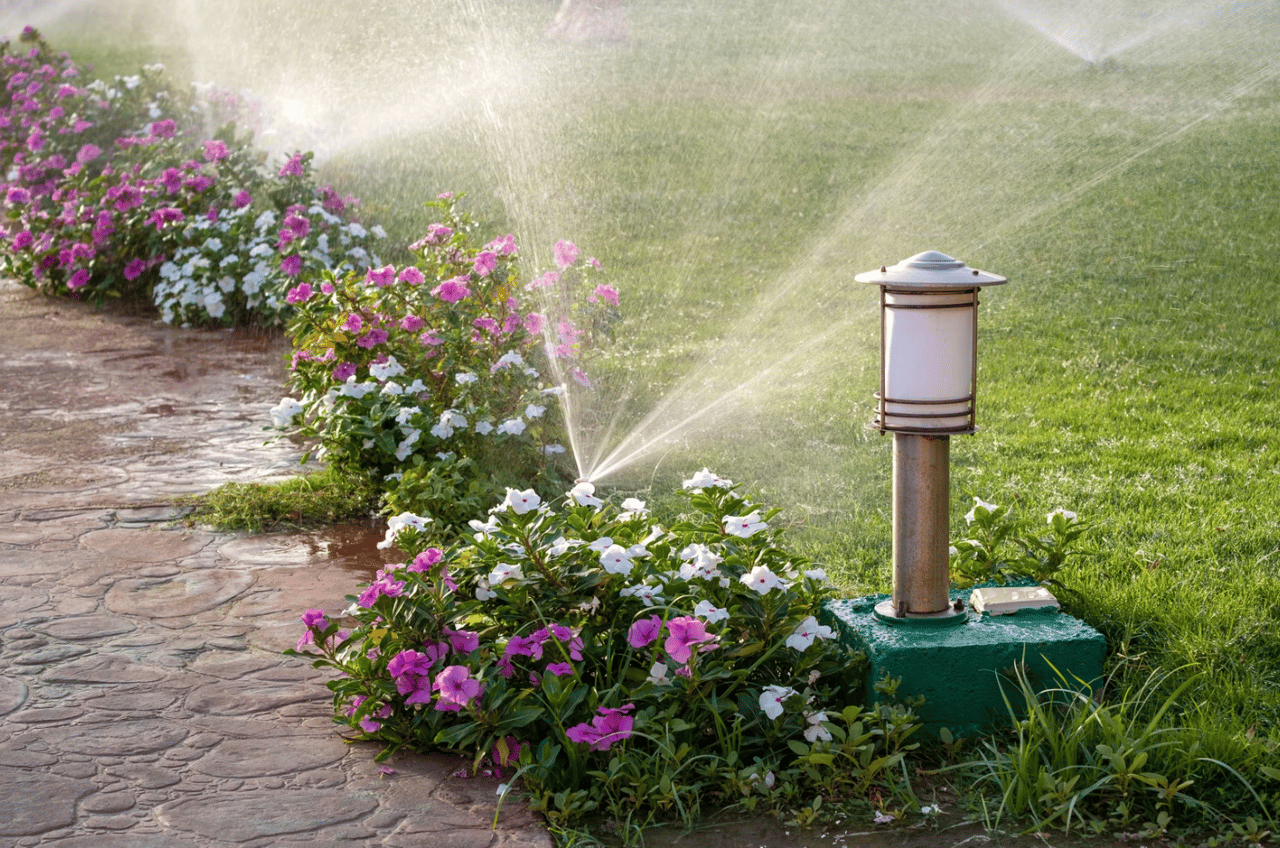
While you're at it, check sprinkler heads and irrigation components for leaks, damage or areas with poor coverage.
Get Ready for the First Freeze
A warm North Texas fall afternoon can make freezing temperatures seem far away, but cold fronts can arrive quickly.
Identify tender plants that may need protection and determine which container plants should be moved indoors or to a sheltered area. Keeping frost cloth or another appropriate plant covering on hand means you'll already be prepared when freezing temperatures appear in the forecast.
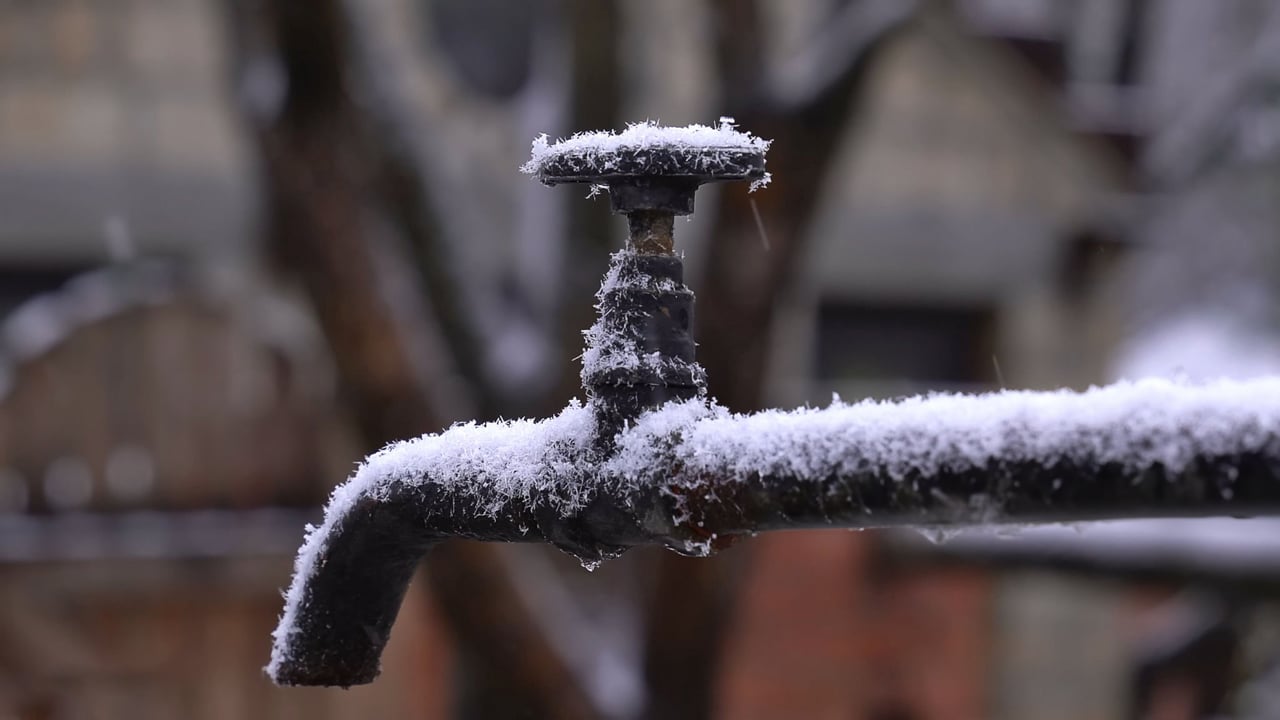
It's also helpful to know where your outdoor faucets and irrigation shutoffs are before winter weather arrives.
Think Ahead to Spring
Fall gardening isn't only about what your yard looks like right now. Some of the work you do this season can set the stage for next year.
Consider spring-blooming bulbs and other plants that benefit from fall planting. You can also use this time to think about what worked well in your landscaping this year and what you'd like to do differently.
Maybe an area needs more color, a shady bed needs better-suited plants or you've been wanting to tackle a larger outdoor project. Making those plans now can give you a head start when spring arrives.
Enjoy Your Home From the Outside In
A beautiful yard doesn't have to mean a complete landscaping overhaul. A few seasonal projects can freshen up your outdoor spaces, help your plants transition into cooler weather and prepare your property for the months ahead.
At the Lonestar Living Team, we love sharing ways to make the most of homeownership here in North Texas, from what's happening in the local real estate market to simple ways to care for and enjoy the place you call home throughout every season.