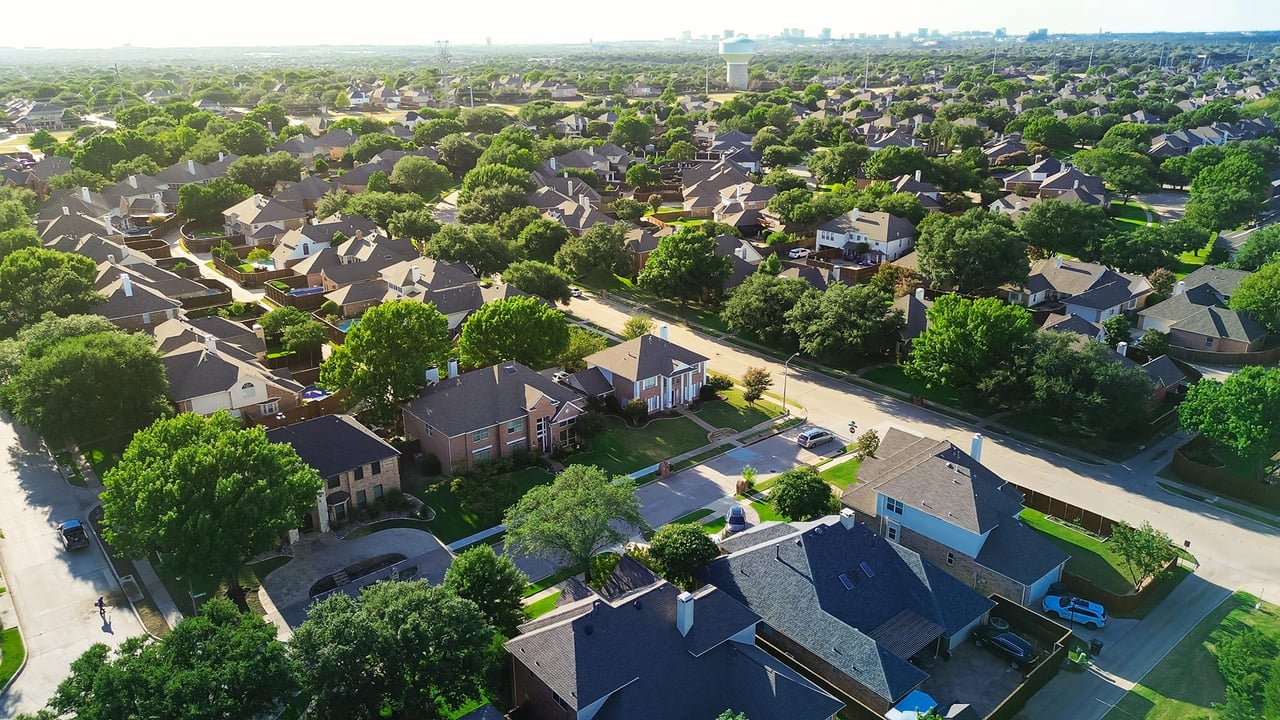
As temperatures begin to climb across North Texas, now is the time to get your home ready for the heat ahead. A few proactive steps can go a long way in keeping your space comfortable, improving energy efficiency, and helping you avoid costly repairs during the hottest months of the year. Whether you’re planning to stay put or considering a move, preparing your home now can make all the difference in how it performs this summer.
Service Your HVAC System
Your air conditioning system is your first line of defense against the Texas heat. Schedule a professional tune-up to ensure everything is running efficiently before the hottest days arrive. Replace air filters regularly and make sure vents are clear of dust and debris. If your system has been struggling or running constantly, it may be time to evaluate repairs or upgrades.
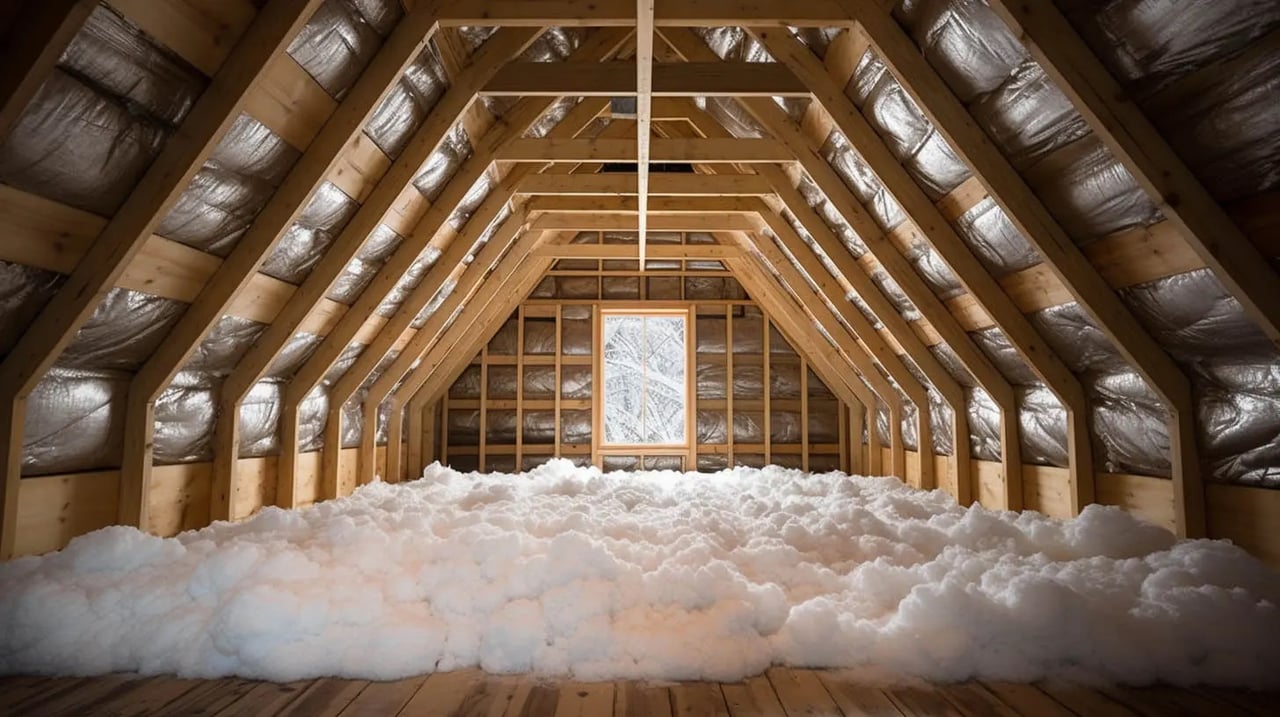
Seal and Insulate Where It Counts
Cool air escaping from your home can quickly drive up energy bills. Check for gaps around windows, doors, and attic access points, and seal them with weatherstripping or caulk as needed. Proper insulation, especially in the attic, plays a major role in keeping indoor temperatures consistent and reducing the workload on your HVAC system.
Give Your Windows a Summer Strategy
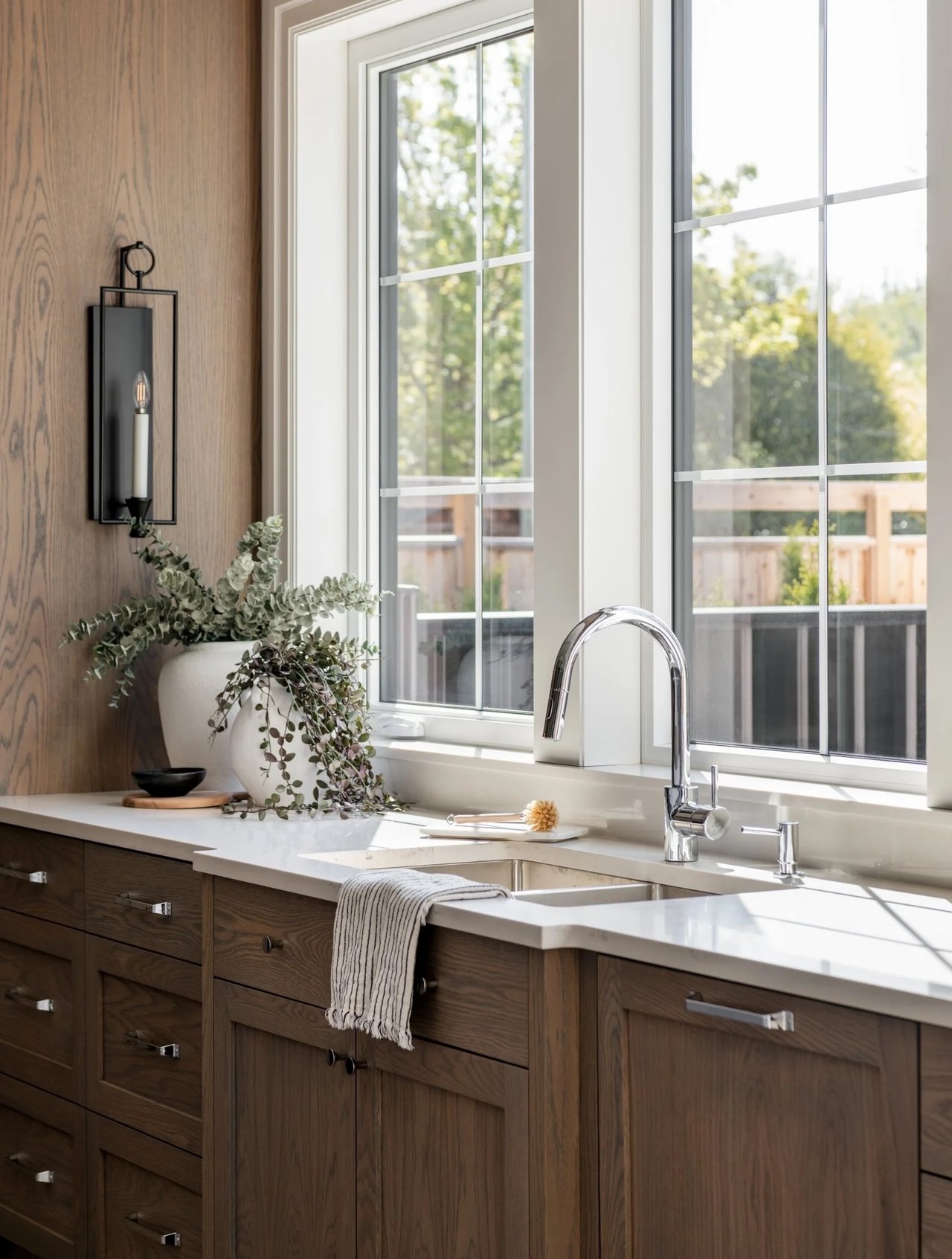
Sunlight streaming through your windows can significantly heat up your home. Consider using blackout curtains, solar screens, or window film to reduce heat gain. Keeping blinds or shades closed during the hottest parts of the day can make a noticeable difference in maintaining a cooler interior.
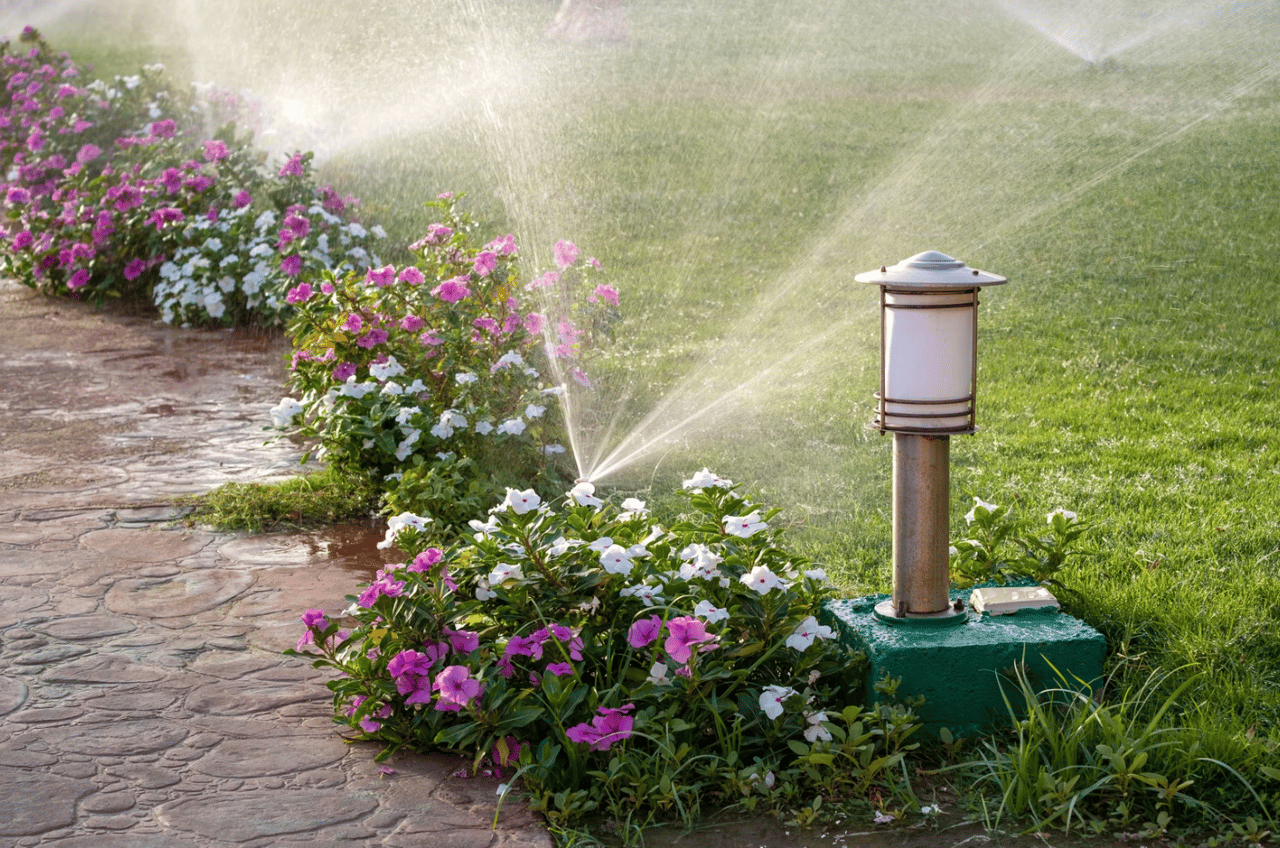
Don’t Forget Your Outdoor Spaces
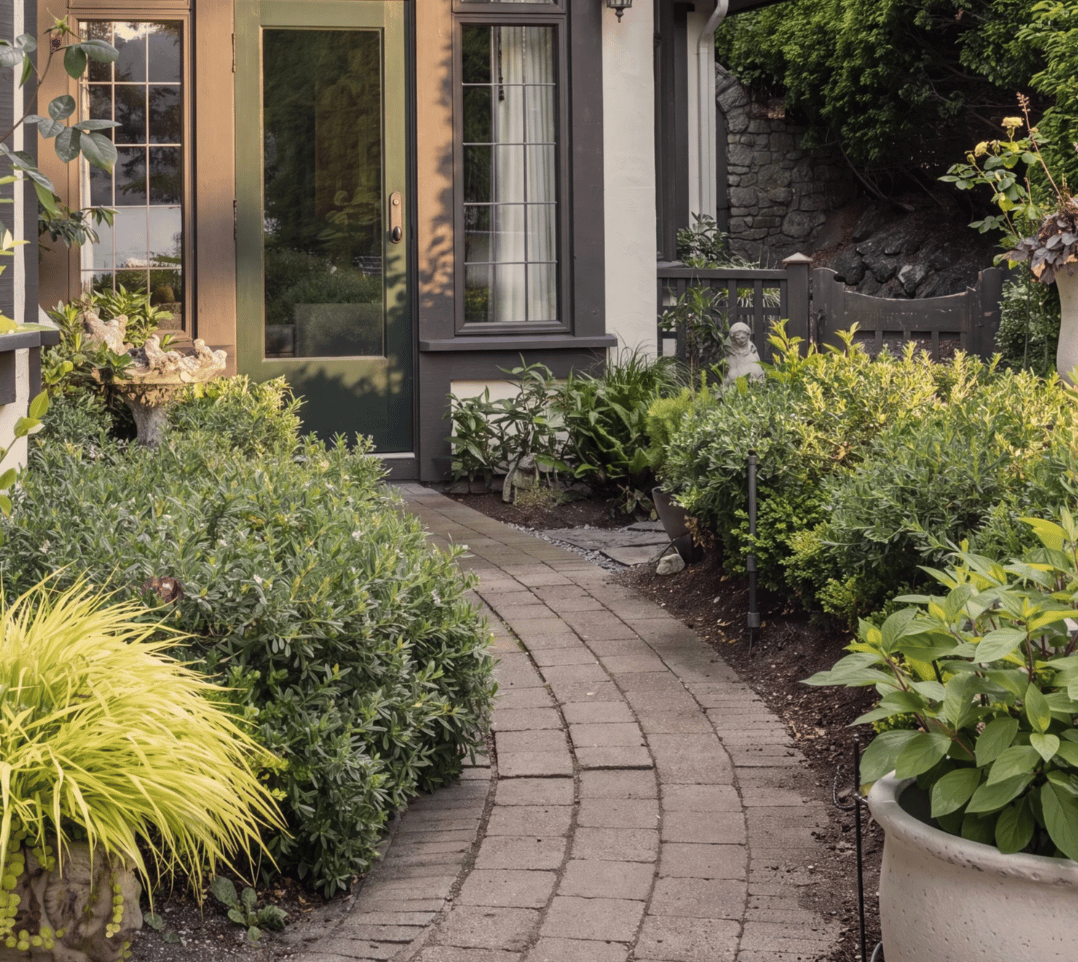
Your exterior plays a bigger role than you might think. Check your sprinkler system to ensure your lawn and landscaping are getting adequate water without waste. Adding shade elements like umbrellas, pergolas, or even strategically planted trees can help cool surrounding areas and reduce heat exposure to your home.
Check Your Roof and Attic Ventilation
Your roof takes on the full intensity of the sun each day. Make sure it’s in good condition with no damaged shingles or areas of concern. Proper attic ventilation is also essential, allowing heat to escape instead of building up and transferring into your living spaces.
Inspect Doors, Garage, and Seals
Garage doors and exterior doors are often overlooked when it comes to insulation. Make sure seals are intact and consider adding insulation to your garage door if it faces direct sunlight. Keeping hot air out of these areas can help maintain a more stable temperature inside your home.
Be Mindful of Energy Usage
Simple habits can help keep your home cooler and your bills lower. Try to limit the use of heat-generating appliances like ovens and dryers during peak afternoon hours. Ceiling fans can also help circulate cool air more effectively, allowing you to raise the thermostat slightly without sacrificing comfort.
Taking a proactive approach now can make the entire season feel more manageable. When your home is set up to handle the heat, you’ll notice the difference not just in comfort, but in how smoothly everything runs day to day.